Articles
Read our articles about packing and relocation
Blog • May 24, 2026
How to Pack Fragile Items Safely for International Shipping
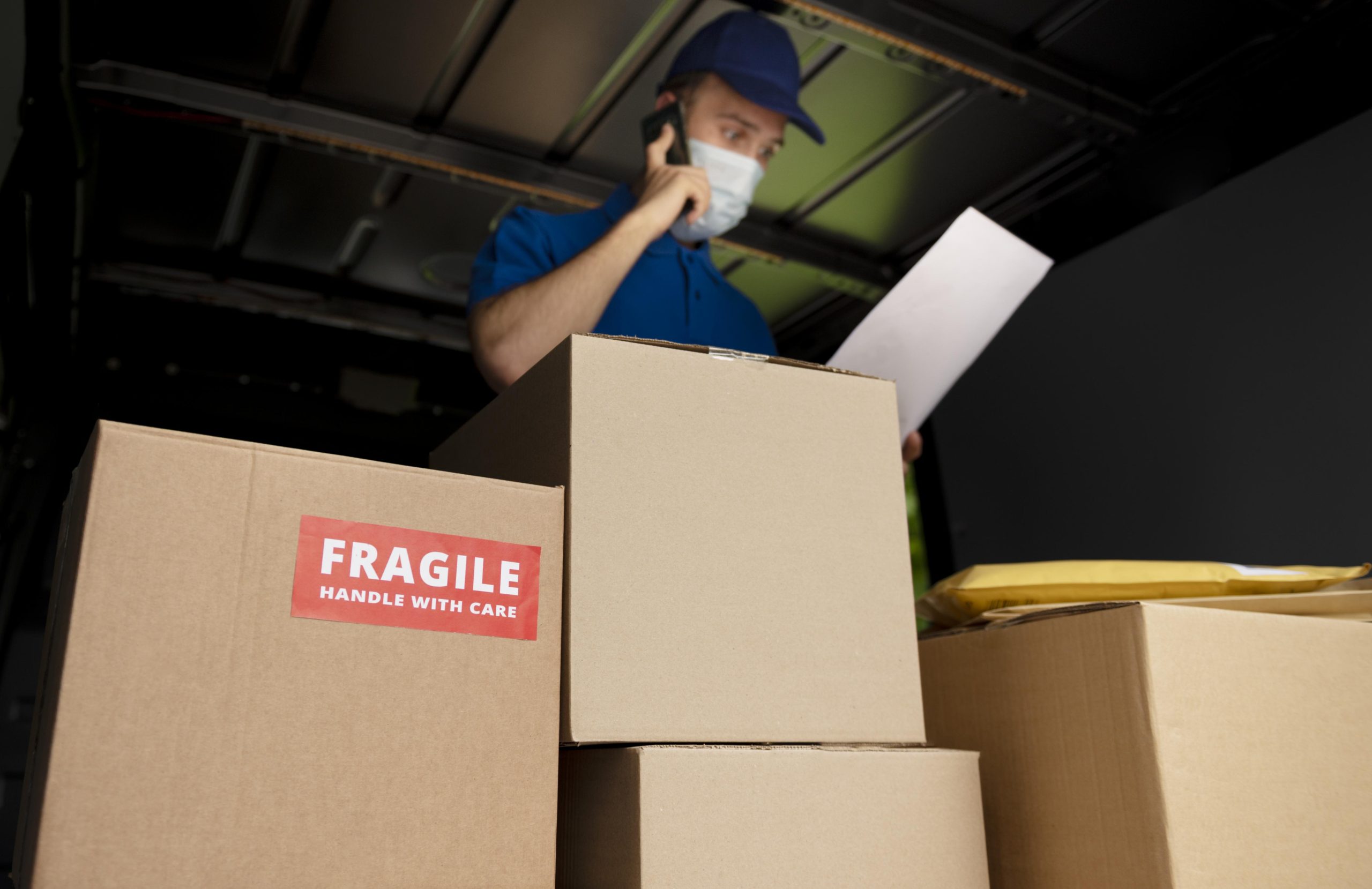
Packing for international shipping is already a task in itself. On top of that, if you have to pack fragile items for international shipping, a little knot forms in your stomach.
You picture your grandmother’s vase, your favorite ceramic set, or that mirror you carried all the way from home, and you wonder, will it actually make it in one piece?
The good news is that they can. And it usually does, when you pack it right. This guide walks you through exactly how to pack fragile items safely, in plain language, without overwhelming you with complicated terms.
Let’s Understand What Your Shipment Actually Goes Through
Your box does not just travel from point A to point B. It gets loaded, unloaded, stacked, moved through customs, transferred between vehicles, and possibly stored in a warehouse for a few days. That is a lot of handling for something delicate.
So when you think about safe packing for international relocation, think about all those hands and all those moments. Your job is to make sure your item survives every single one of them.
That mindset shift alone changes how you approach packing. You stop thinking, “This looks fine,” and start thinking, “Will this hold up if someone drops the box?”
Get the Right Packaging Materials for Fragile Items Before You Start
Many people try to improvise with whatever is around the house. Old newspapers. Thin single-wall boxes. A bit of tape. That is where things go wrong.
Here is what you actually need:
Double-walled cardboard boxes: Much stronger than regular boxes. Worth every extra dirham.
Thick bubble wrap rolls: The bigger the bubbles, the better the cushioning for heavier items.
Packing paper or tissue paper: Use this as the first layer directly touching your item.
Packing peanuts or foam sheets: These fill the gaps and stop items from moving around.
Strong 2-inch packing tape: Thin tape fails. Use good-quality tape and use plenty of it.
Fragile labels and directional stickers: Simple but important. Label every side of the box.
Do not use newspaper directly on items. The ink transfers and leaves stains. Always start with tissue paper or packing paper as your first contact layer.
How to Pack Fragile Items Safely: Walk Through It Step by Step
Wrap each item on its own; no sharing
Every single fragile item gets its own wrapping. No grouping two things together in one sheet. Wrap each piece individually with packing paper first, then add two to three layers of bubble wrap on top. Make sure no hard edges or corners are left exposed.
When you are packing glass items for moving overseas, take extra time here. Stuff the inside of glasses and cups with crumpled tissue paper before wrapping the outside. It prevents the glass from cracking inward under pressure.
Build a cushioned base before placing anything inside
Before your first item goes in, lay down three to four inches of cushioning at the bottom of the box. Packing peanuts, crumpled paper, or foam sheets all work. Think of it as a landing pad. If someone drops the box, this layer takes the hit instead of your items.
Heavier things go in first, lighter things on top
This sounds obvious, but it is easy to forget when you are rushing. Heavier fragile items always go at the bottom. Lighter ones sit on top. This keeps the weight balanced and stops things from getting crushed mid-journey.
Fill every single gap inside the box
Empty space is the real enemy here. When a box has room to move, items shift and knock into each other. Pack every gap tightly with packing peanuts or crumpled paper. Then do a quick test: shake the box gently. If you can hear or feel movement, add more cushioning.
This step alone prevents a lot of damage during shipping for people moving fragile items from Dubai on long international routes.
Seal the box properly and label it clearly
Run strong packing tape along every edge and seam. Do not just tape the top opening. Tape the bottom, the corners, and all the folds too. Then label the box “Fragile” on all four sides and the top. Add a “This Side Up” sticker so handlers know exactly how to hold it.
Include a handwritten packing list inside the box. It helps with customs clearance and gives you documentation if you ever need to file a damage claim with your shipping company.
Bubble Wrap Packing Techniques Most People Get Wrong
Here is something most people do not know. Bubble wrap works best when the bubbles face inward, pressing directly against the item. The flat smooth side faces outward. This places the air cushions exactly where they need to be to absorb shock.
For items with handles, spouts, or unusual shapes, wrap those protruding parts separately before wrapping the whole item. This is one of the most effective bubble wrap packing techniques for oddly shaped pieces like jugs, figurines, or teapots.
A Few Extra Tips for Packing Glass Items for Moving Overseas
Mirrors and framed glass need their own approach. Place corner protectors on all four corners. Then lay a sheet of cardboard flat against the glass surface before wrapping. Always ship mirrors and framed pieces vertically. Never flat. Shipping them flat puts all the weight of whatever is above directly onto the glass.
For wine glasses and stemware, wrap the stem first since that is the most vulnerable part. Then wrap the bowl. Then wrap the whole glass again as one unit. Three layers total is not excessive for something that delicate.
Shipping by Sea? Add Moisture Protection Too
If you are using sea freight, your shipment spends weeks inside a cargo container. Humidity builds up inside those containers, especially on routes through warm climates. That moisture can warp wood, damage electronics, and leave watermarks on fabric.
Add a few silica gel packets inside each box before sealing it. You can buy these cheaply in bulk. Wrap boxes with stretch wrap for an extra moisture barrier. It takes five minutes and can save a lot of heartache when your boxes arrive.
The Bottom Line
You have put time, money, and meaning into the things you own. They deserve to arrive safely. Packing fragile items for international shipping does not have to be stressful when you follow a clear process.
Wrap everything individually. Cushion every surface. Fill every gap. Seal every seam. Label every side. Those five steps cover most of what you need to know about how to pack fragile items safely for any international journey.
And if you ever feel unsure, a reliable packing and moving service in Dubai can step in and handle it all for you. Sometimes the most reassuring thing is knowing someone experienced has your back from the very first wrap to the final delivery.
Frequently Asked Questions
Q1. Is it safe to pack multiple fragile items in one large box to save space?
You can pack multiple items in one box, but each item must be individually wrapped and cushioned with no contact between them. Place dividers or thick layers of packing material between every piece.
Q2. How do I pack fragile electronics like monitors or printers for international shipping?
Use the original manufacturer’s box whenever possible since it is designed specifically for that item. If the original box is not available, wrap the item in anti-static bubble wrap, box it snugly with foam inserts on all sides, and double-box it inside a larger outer box. Remove ink cartridges from printers and pack them separately to avoid leaks during transit.
Q3. What should I do if my fragile items arrive damaged after international shipping?
Take clear photos of the damaged items and the box before unpacking everything. Note the condition on the delivery receipt before signing it. Then contact your freight or moving company right away and file a claim. If you purchased cargo insurance, reach out to your insurer with the photos and packing list as supporting evidence for your claim.

Ahmed Raza is a relocation and logistics expert at Dubai House Movers, a UAE-based company known for its top-quality residential and commercial moving services. With years of hands-on experience in packing, cargo, furniture installation, and export logistics, Ahmed provides readers with practical advice and insights to make their moving process smooth and stress-free. His deep knowledge of local and international relocations ensures that every article is backed by real industry expertise. When not coordinating moves, Ahmed shares useful tips through blogs to help customers plan better and move smarter.
- Air Cargo
- Best Packing and Moving Partner in Dubai
- cargo
- Cargo from Dubai to Muscat
- Cargo from Dubai to Muscat Oman
- cargo from Dubai to the USA
- Cargo Shipping
- Dubai air cargo
- dubai movers
- Dubai Moving Checklist
- Dubai to Riyadh
- Dubai to UK Cargo
- Export Packing Companies in Dubai
- export packing company uae
- furniture assembling
- Furniture for Storage
- Hire Office Movers
- House Movers
- Man and Van
- Man and Van Services
- mover and packers
- office moving
- Oman
- packaging
- packers
- packers and movers
- Packing and Moving Checklists
- professional movers
- Ras Al Khaimah and Fujairah movers
- relocation
- residential
- residential moving
- seo journey
- storage